

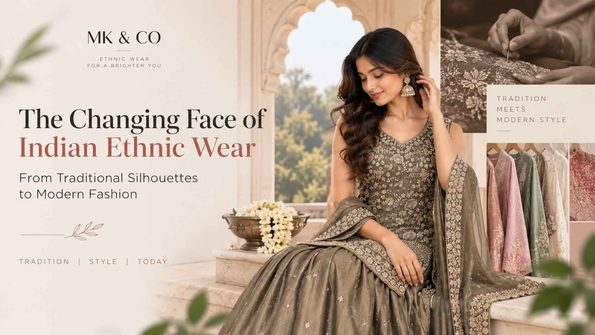
Indian ethnic wear has always been closely connected with culture, craftsmanship, celebrations, and personal style. From timeless sarees and classic salwar suits to contemporary co-ord sets, shararas, palazzos, and Indo-western outfits, ethnic fashion has continuously evolved with changing lifestyles and customer preferences.
Today, women are not choosing between tradition and modern fashion. Instead, they are looking for designs that bring the best of both worlds together—traditional detailing with contemporary silhouettes, comfortable fabrics with elegant styling, and cultural elements with a modern fashion sensibility.
For retailers and resellers, understanding this transformation is becoming increasingly important.
Traditional Fashion Is Getting a Modern Makeover
Indian ethnicwear has never been static. Designers and manufacturers have consistently adapted traditional styles to suit the way women dress today.
Classic embroidery techniques are now being incorporated into modern silhouettes. Traditional motifs are appearing on contemporary cuts, while familiar ethnic colours are being complemented by softer and more sophisticated shades.
This evolution allows ethnicwear to remain culturally relevant while becoming more suitable for today’s wardrobes.
The result is fashion that feels traditional at heart but modern in appearance.
Comfort Has Become an Important Part of Style
One of the biggest changes in women’s fashion is the growing importance of comfort.
Today’s customer wants to look elegant without feeling restricted by her outfit. This has increased the popularity of relaxed silhouettes, lightweight fabrics, comfortable palazzos, flowy styles, and easy-to-wear ethnic sets.
Comfort doesn’t mean compromising on elegance.
A thoughtfully designed outfit can provide ease of movement while still featuring beautiful embroidery, refined finishing, and an occasion-ready appearance.
This combination of comfort and sophistication has become an important characteristic of modern ethnicwear.
The Growing Popularity of Versatile Ethnic Outfits
Earlier, many ethnic outfits were purchased specifically for a particular occasion. Today, customers are increasingly interested in pieces that can be styled in multiple ways.
A beautifully detailed kurti can work for a family gathering, dinner, festive celebration, or even a sophisticated daytime look. Similarly, an elegant ethnic set can be transformed with different footwear, jewellery, dupattas, and accessories.
This versatility gives customers greater value from every purchase.
For retailers, versatile designs can also appeal to a wider customer base because they are not limited to a single occasion.
Embroidery Continues to Define Premium Ethnicwear
While silhouettes are changing, craftsmanship remains at the heart of Indian ethnic fashion.
Embroidery, sequins, zari-inspired detailing, beads, threadwork, and intricate borders continue to add depth and richness to ethnic outfits.
The difference today is in how these details are used.
Modern ethnicwear often combines detailed craftsmanship with cleaner silhouettes and balanced designs. Instead of making every part of an outfit heavily decorated, designers can use embroidery strategically to create a sophisticated premium appearance.
This balance makes the outfit feel luxurious without becoming difficult to wear.
Colour Choices Are Becoming More Diverse
Colour has also become an important part of the evolution of ethnic fashion.
Traditional shades such as red, maroon, green, mustard, royal blue, and pink continue to have strong appeal. At the same time, modern wardrobes are welcoming shades such as sage, olive, mauve, dusty rose, powder blue, peach, beige, and sophisticated neutrals.
This wider colour palette allows ethnicwear to move beyond traditional festive dressing.
Soft colours can create an understated daytime look, while deeper tones and richer embellishments can make an outfit suitable for evening celebrations.
For retailers, maintaining a mix of classic and contemporary colours can help collections appeal to different customer preferences.
Occasionwear Is Becoming More Personal
Modern customers are also becoming more selective about what they wear for important occasions.
Instead of simply choosing the most heavily embellished outfit, many women are looking for something that reflects their own personality.
Some prefer minimal elegance. Others love intricate embroidery and statement silhouettes. Some choose rich festive colours, while others prefer soft pastel tones.
This shift towards personal expression means that ethnicwear collections need to offer variety without losing a clear sense of quality and design identity.
Social Media Is Influencing Ethnic Fashion
Instagram, Pinterest, fashion creators, and digital shopping platforms have changed how customers discover ethnicwear.
Women can now see styling ideas from different cities, cultures, designers, and fashion communities within seconds. This has made customers more aware of silhouettes, colours, embroidery styles, layering techniques, and contemporary ways of styling traditional clothing.
As a result, customers often arrive at stores with a clearer understanding of what they want.
For retailers, this creates an opportunity to offer collections that are visually appealing, fashion-forward, and easy to style.
What Modern Customers Look for in Ethnicwear
While preferences vary from person to person, today’s ethnicwear customer often looks for a combination of:
- Comfortable silhouettes
- Attractive and wearable colours
- Detailed craftsmanship
- Modern styling
- Good finishing and quality
- Versatility across occasions
- A distinctive yet timeless appearance
The strongest collections are often those that bring several of these qualities together instead of focusing on only one.
Why This Evolution Matters for Retailers and Resellers
For retailers and resellers, changing customer expectations create both challenges and opportunities.
A collection that worked several years ago may not necessarily create the same excitement today. Customers are exposed to more fashion choices than ever before, which means retailers need collections that feel current while maintaining dependable quality.
A strong product range should ideally include a combination of:
Everyday ethnicwear + festive styles + occasionwear + contemporary silhouettes.
This gives customers different entry points into the collection and allows retailers to serve multiple occasions and price preferences.
The Future of Indian Ethnic Fashion
The future of ethnicwear is not about replacing traditional fashion with modern fashion.
It is about bringing them together.
Traditional craftsmanship, Indian motifs, elegant fabrics, and cultural influences will continue to remain important. But these elements will increasingly appear through contemporary silhouettes, versatile designs, modern colour palettes, and comfortable fits.
The most successful ethnicwear will likely be the fashion that allows women to feel connected to tradition while still expressing their individuality.
Where Tradition Meets Contemporary Design
At MK & CO, we believe the evolution of ethnic fashion is an opportunity to create designs that feel both familiar and fresh.
Our approach brings together traditional craftsmanship, contemporary silhouettes, detailed embroidery, sophisticated colours, and wearable styling to create ethnicwear suited to the changing preferences of today’s customers.
For retailers and resellers, our collections are designed to offer a balance of elegance, variety, quality, and contemporary appeal.
🌐 Explore MK & CO: mkandco.co
Final Thoughts
Indian ethnicwear has changed because the modern woman has changed.
She wants tradition, but she also wants individuality. She wants elegance, but she values comfort. She appreciates craftsmanship, but she also wants contemporary design.
This is why the future of ethnic fashion lies in adaptability.
The brands, manufacturers, retailers, and designers who understand this balance can create collections that don’t simply follow trends—they become part of the modern Indian wardrobe.