

Have you ever met someone for the first time and immediately noticed their outfit? Perhaps it was the colour they were wearing, the way their clothes fitted, or a small detail that made their look memorable. Sometimes, we notice these things without even realising it.
Fashion plays an interesting role in the way we experience first impressions. Before a conversation begins, clothing can offer a glimpse of someone’s personal style, preferences, and the occasion they are dressing for. It does not tell us everything about a person, but it can influence the initial feeling we associate with an encounter.
From everyday outfits to carefully chosen festive ensembles, what we wear becomes part of how we present ourselves to the world. And in a world where first meetings happen everywhere—from workplaces and social gatherings to weddings and family celebrations—personal presentation often matters more than we think.
But what exactly makes an outfit leave a lasting impression?
1. The First Thing People Notice Is Often the Overall Look
When we see someone for the first time, we rarely analyse every detail of their clothing individually. Instead, we tend to notice the overall appearance.
The colours, silhouette, fit, styling, and way the outfit comes together all contribute to the impression a look creates. An outfit does not necessarily need to be expensive or elaborate to stand out. Sometimes, a clean silhouette and a well-balanced combination of colours are enough to create a polished appearance.
For example, a simple kurta paired with well-fitted trousers can look refined without excessive accessories. Similarly, a beautifully embroidered ethnic ensemble can create a more celebratory impression when the occasion calls for something special.
The important point is that the elements of an outfit should work together. When the colours, fit, and styling complement one another, the overall look often feels more intentional.
2. Clothing Can Influence How We Feel About Ourselves
First impressions are not only about how other people see us. They are also connected to how we feel when we wear something.
Think about the difference between wearing an outfit that feels uncomfortable and wearing one that fits well and suits your personal style. In the second situation, you may feel more relaxed, confident, and ready to participate in the moment.
This does not mean that clothing automatically creates confidence. Confidence comes from many factors, including experience, personality, and how comfortable we feel in a particular setting. However, choosing an outfit that feels right can support the way we carry ourselves.
When we are comfortable with what we are wearing, we may spend less time adjusting our clothes or worrying about our appearance. This allows us to focus more naturally on conversations, activities, and the people around us.
That is why choosing an outfit should involve more than simply asking whether it looks fashionable. It is equally useful to ask whether it feels right for us.
3. Why Colour Makes Such a Difference
Colour is one of the most noticeable elements of fashion. It can change the overall mood of an outfit and influence how a look is perceived.
Soft pastels often create a light, understated appearance, while deeper shades can bring richness and visual depth. Bright colours may feel energetic and expressive, whereas neutral tones can create a balanced, understated look.
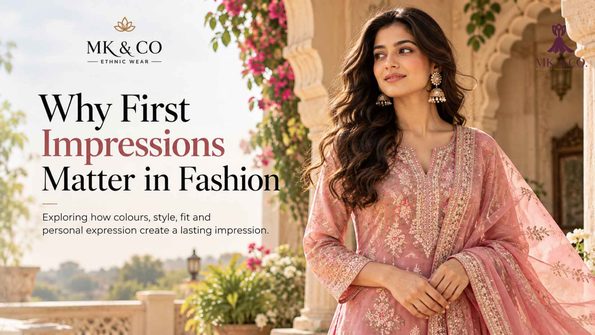
In Indian ethnicwear, colour choices offer particularly wide possibilities. A pastel pink suit with delicate embroidery may feel suitable for a daytime celebration, while a deep maroon or emerald-green ensemble may work beautifully for an evening event.
However, no colour has one fixed meaning for everyone. Personal preferences, cultural associations, the occasion, and the combination of colours all influence how an outfit feels.
The best approach is to choose shades that complement the design, suit the setting, and reflect the wearer’s preferences. A colour that feels natural to one person may not be the first choice for another—and that is part of what makes personal style individual.
4. Fit and Comfort Matter More Than Following Every Trend
Fashion trends can provide inspiration, but an outfit’s fit and comfort often have a greater impact on how successfully it comes together.
A design may look attractive in a photograph, yet the wearer may not feel comfortable in its silhouette or fabric. On the other hand, a relatively simple outfit can look excellent when its proportions suit the person wearing it.
Fit does not mean that every garment must be tightly tailored. Relaxed silhouettes, flowing kurtas, wide-leg trousers, and layered ethnic sets can all look stylish when their proportions feel balanced.
Comfort also includes practical considerations. The fabric should suit the weather and occasion, the outfit should allow movement, and the wearer should be able to enjoy the event without unnecessary inconvenience.
This is especially important for weddings, festivals, and family gatherings, where people may spend several hours socialising, eating, travelling, or participating in celebrations.
A good outfit should not only make an impression when someone first sees it. It should continue to feel appropriate throughout the occasion.
5. Personal Style Makes a Look More Memorable
Following fashion trends can be enjoyable, but personal style is what gives an outfit its individual character.
Some people naturally prefer minimal designs, subtle colours, and simple accessories. Others enjoy expressive prints, statement sleeves, intricate embroidery, or bold colour combinations. Neither approach is better than the other.
Personal style develops gradually through experience. We learn which colours we enjoy, which silhouettes suit our everyday lives, and which details make us feel most comfortable.
When clothing reflects these preferences, the result often feels more authentic. Instead of appearing as though every element has been selected simply because it is trending, the outfit feels connected to the person wearing it.
This is also why two people can wear similar garments and create completely different impressions. Their styling choices, posture, preferences, and the way they carry themselves all contribute to the final look.
The most memorable style is not always the most dramatic. Often, it is the one that feels genuine.
6. The Role of Accessories and Small Details
Sometimes, the difference between an ordinary outfit and a more distinctive look lies in the details.
Accessories can help bring an outfit together without changing the clothing itself. A pair of earrings, a watch, a handbag, or carefully selected footwear can add character and create a more complete appearance.
In ethnicwear, details such as embroidery, neckline design, sleeve patterns, borders, and dupatta styling can have a similar effect. These elements may appear small individually, but together they help define the identity of a garment.
The key is balance. An intricately embroidered outfit may already have enough visual detail to stand out, while a simpler kurta may offer room for more expressive accessories.
Rather than adding everything at once, it helps to consider which elements deserve attention. Sometimes, one distinctive detail is more effective than several competing ones.
Thoughtful styling allows the outfit to remain the focus while giving the overall look a sense of purpose.
7. Dressing for the Occasion Shows Attention to Detail
An outfit creates a different impression depending on where it is worn. What feels appropriate for a casual afternoon may not be the best choice for a formal gathering or a festive celebration.
Dressing for the occasion does not mean following rigid rules. It means understanding the setting and choosing clothing that feels suitable for it.
For a casual family visit, a printed kurta or a comfortable ethnic set may be an excellent option. For a wedding, a more detailed ensemble with decorative embroidery may feel appropriate. For a professional meeting, a clean, well-coordinated outfit can help create a polished appearance without being overly elaborate.
The same principle applies to colour, accessories, and footwear. A little attention to the setting can make styling decisions easier and prevent an outfit from feeling out of place.
When people dress with the occasion in mind, it often shows that they have given thought to the experience and the people they will be meeting.
8. Why Indian Ethnicwear Creates a Distinctive Impression
Indian ethnicwear offers a unique combination of colour, craftsmanship, silhouette, and cultural influence. From everyday kurtas to festive suits and richly embroidered ensembles, it provides a wide range of ways to express personal style.
One of its strengths is versatility. Traditional design elements can be adapted to contemporary preferences through modern cuts, updated colour palettes, printed fabrics, and thoughtful detailing.
A simple ethnic outfit can create a relaxed and approachable look, while a more elaborate design can bring a sense of occasion to weddings, festivals, and celebrations.
Ethnicwear also allows people to express different sides of their style. Someone may prefer minimal everyday designs but choose intricate embroidery for a special event. Another person may enjoy bold prints and bright colours throughout the year.
There is no single way to wear Indian fashion. Its appeal lies partly in the freedom to combine familiar traditions with individual preferences.
For first impressions, this means ethnicwear can be both expressive and practical, depending on the design and how it is styled.
9. Looking Good Does Not Mean Dressing to Impress Everyone
It is easy to assume that making a good first impression means wearing the most fashionable outfit or choosing something that attracts attention. In reality, personal presentation does not need to be about impressing everyone.
People have different tastes, and no outfit will appeal equally to every observer. Trying to meet every expectation can make fashion feel unnecessarily complicated.
A more useful approach is to choose clothing that suits the occasion, feels comfortable, and reflects your own preferences. This allows you to enjoy getting dressed without treating every interaction as a test of appearance.
It is also important to remember that clothing is only one part of a first impression. Communication, behaviour, attentiveness, and the way we treat others all contribute to how people experience us.
Fashion can support personal presentation, but it cannot replace character. An attractive outfit may catch someone’s attention, while kindness, respect, and genuine conversation help build a more meaningful connection.
The goal is not to let clothing define us completely. It is to use it as one of the many ways we express ourselves.
10. Building a Wardrobe That Works for Different First Impressions
A useful wardrobe does not need to contain an endless number of outfits. It needs pieces that work for the situations we encounter in everyday life.
Start by considering the occasions you dress for most often. These might include work, casual outings, family gatherings, festive events, and weddings. Understanding these needs can help you select garments that are both attractive and practical.
A few versatile pieces can form the foundation of a functional wardrobe. Simple kurtas, coordinated ethnic sets, printed designs, and occasion-ready outfits can each serve different purposes.
It is also worth paying attention to how easily pieces can be styled. An outfit that works with different footwear or accessories may offer more flexibility than one that requires a completely specific look.
When choosing new clothing, consider three questions:
- Does the outfit suit the occasions I attend?
- Do I feel comfortable and confident wearing it?
- Can I see myself reaching for it again?
These questions encourage more thoughtful purchases and help create a wardrobe that reflects your lifestyle rather than simply following short-lived trends.
11. The Best First Impression Is One That Feels Natural
A well-chosen outfit can help us feel prepared for a new meeting, celebration, or social occasion. But the strongest personal presentation often comes from the combination of thoughtful clothing choices and natural confidence.
There is no need to make every outfit complicated. A comfortable fit, a colour you enjoy, a few well-chosen details, and styling that suits the occasion can be enough.
The same applies to ethnicwear. Whether it is a simple printed kurta or a richly detailed festive ensemble, the outfit should feel appropriate for the moment and true to the person wearing it.
Fashion works best when it gives people room to express themselves rather than placing them under pressure to look a certain way.
After all, a first impression is only the beginning of a relationship or an experience. Clothing may help start the conversation, but what happens next matters just as much.
Final Thoughts
First impressions are shaped by many small details, and fashion is one of them. Colours, fit, styling, accessories, and personal preferences all contribute to the way an outfit comes together.
A memorable look does not necessarily require luxury labels, elaborate designs, or the latest trend. Often, it comes from choosing clothing that feels comfortable, suits the occasion, and reflects the person wearing it.
Indian ethnicwear offers countless ways to achieve this balance, combining traditional influences with contemporary design and individual expression.
At MK & CO, we believe that thoughtful design and carefully considered details help make ethnicwear suitable for a wide variety of tastes and occasions. From everyday styles to designs for special moments, the right collection gives people more ways to express their own sense of fashion.
Because the best first impression is not simply about being noticed. It is about feeling comfortable in what you wear and presenting yourself with confidence.
Explore ethnicwear collections at MK & CO: https://mkandco.co/